
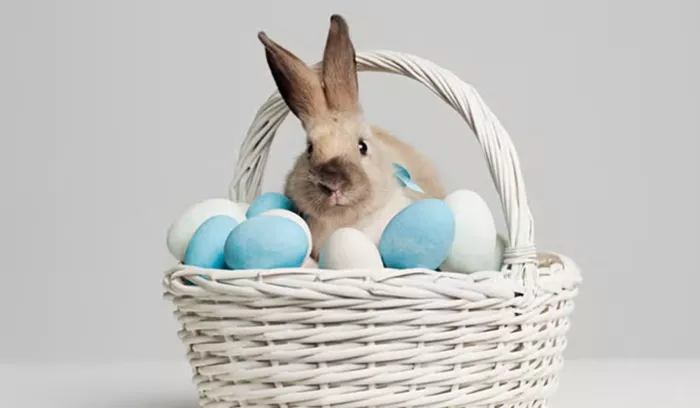
Each year, as Easter approaches, many people begin to associate the holiday with a range of symbols, but none are as widely recognized as the Easter Bunny. This fluffy, friendly creature is an essential part of Easter traditions, but why was a bunny specifically chosen to symbolize this celebration? In this article, we will explore the origins, symbolism, and cultural significance of the Easter Bunny, shedding light on how this particular animal became linked to one of the most beloved holidays in the world.
Introduction to the Easter Bunny
The Easter Bunny, a symbol of spring and renewal, is a key figure in the festivities surrounding Easter. For many, this cute, hopping animal is an essential part of the Easter celebration, delivering colorful eggs and treats to children. But where did the idea of the Easter Bunny originate? And what is the connection between this furry creature and the religious holiday of Easter? In this section, we will examine the historical and cultural context that led to the bunny becoming associated with Easter.
The Origins of the Easter Bunny
The origins of the Easter Bunny are not rooted in religious traditions, but rather in a mix of folklore, mythology, and ancient springtime rituals. To understand why a bunny was chosen, we must delve into the history of the spring season and the symbols associated with it.
The Role of Rabbits in Ancient Traditions
Rabbits have long been associated with fertility, renewal, and the arrival of spring. In many ancient cultures, rabbits were seen as symbols of new life due to their high reproductive rates. For example, in pagan traditions, the hare, which is closely related to the rabbit, was revered as a symbol of the goddess of fertility, Eostre. This connection to fertility and new beginnings made the rabbit an ideal symbol for the celebration of the arrival of spring, a time when life flourishes and nature renews itself.
The Influence of German Folklore
The specific association of a bunny with Easter can be traced back to German folklore. In the 1700s, German immigrants brought with them a tradition of a “hare” who would lay eggs for children to find. The idea was that the Easter hare would deliver colorful eggs, which were considered symbols of new life and resurrection. This story eventually spread to other parts of Europe and North America, where it evolved into the familiar image of the Easter Bunny delivering eggs and candy to children.
The Symbolism of the Easter Bunny
The Easter Bunny is not just a cute character; it carries deep symbolic meaning. The choice of a rabbit as the central figure of Easter is no coincidence. This section will explore the various meanings and symbolism behind the Easter Bunny.
Fertility and Rebirth
As mentioned earlier, rabbits are known for their prolific breeding, which has long linked them to fertility and the renewal of life. In many cultures, fertility is a powerful symbol of growth, creation, and the continuation of life. The Easter Bunny, in this context, represents the cycle of life and the rebirth of nature during spring. This symbolism aligns with the Christian message of resurrection during Easter, as the season itself signifies a new beginning.
Springtime and Renewal
Spring is traditionally a time of growth, renewal, and fresh starts. The Easter Bunny’s connection to springtime enhances its role as a symbol of rejuvenation. In many cultures, the arrival of spring is seen as a time when the earth awakens after the cold, dark winter months. Flowers bloom, animals emerge from hibernation, and the world becomes vibrant again. The Easter Bunny is a symbol of this natural rebirth and the joyful promise of warmer days ahead.
The Egg as a Symbol
Another key element in the Easter Bunny tradition is the egg. Eggs are often associated with new life and are a symbol of fertility. The idea of an animal delivering eggs further ties the bunny to the themes of birth and renewal. In many traditions, the egg is a representation of the tomb from which Christ rose during the resurrection, making it a fitting symbol for Easter in Christian communities.
The Evolution of the Easter Bunny in Popular Culture
The Easter Bunny has undergone significant changes in its portrayal over the centuries. While it began as a figure in German folklore, it has evolved into a globally recognized character. In this section, we will trace the journey of the Easter Bunny’s transformation in popular culture.
The Arrival in America
German immigrants played a crucial role in introducing the Easter Bunny to America. By the 1700s, the tradition of an Easter hare laying eggs had become popular in German-speaking regions, and German settlers brought the practice with them to Pennsylvania. Children would create nests for the bunny to lay its eggs, and this custom spread rapidly throughout the United States. Over time, the Easter Bunny transformed into a character who not only laid eggs but also brought chocolates, candies, and toys to children.
The Easter Bunny in Modern Times
Today, the Easter Bunny is a beloved figure in many countries, especially in Western cultures. It appears in parades, festivals, and even as a character in films and TV shows. The idea of the bunny delivering eggs has become more commercialized, with stores selling Easter-themed items such as chocolate bunnies, stuffed animals, and decorations. Despite the commercialization, the Easter Bunny still holds its symbolic place as a joyful harbinger of spring and a connection to the themes of rebirth and renewal.
The Easter Bunny’s Influence on Easter Traditions
The Easter Bunny has had a profound impact on Easter traditions worldwide. From egg hunts to festive decorations, the bunny has become an integral part of how people celebrate this holiday. This section will explore how the Easter Bunny influences modern Easter celebrations.
The Easter Egg Hunt
One of the most beloved Easter traditions is the Easter egg hunt. Children eagerly search for hidden eggs, a practice that ties directly back to the idea of the Easter Bunny delivering eggs. The egg hunt is an exciting activity that has become synonymous with Easter for many families. This tradition can be traced back to the early 1700s in Germany, where children would search for eggs laid by the Easter hare. Over time, the practice evolved into the more familiar modern-day egg hunt, where eggs are often filled with candy and small toys.
The Easter Bunny and Commercialization
As Easter grew in popularity, so did the commercial opportunities surrounding it. The Easter Bunny became a central figure in advertising and marketing, especially for candy and chocolate companies. Today, it is not uncommon to see the Easter Bunny featured in stores and on television, promoting everything from chocolate eggs to stuffed animals. While this commercialization has altered the way people celebrate Easter, the spirit of joy and renewal remains a core part of the holiday.
Conclusion
The Easter Bunny, with its fluffy tail and playful demeanor, is now a central figure in Easter celebrations around the world. Its origins in ancient fertility rituals, German folklore, and springtime symbolism have shaped its role in modern-day festivities. While the Easter Bunny’s commercialized image may sometimes overshadow its deeper meanings, it still serves as a reminder of the season’s themes of renewal, life, and hope. From egg hunts to chocolate treats, the Easter Bunny will continue to hop its way into our hearts, bringing joy and festive cheer to all ages for generations to come.
Related topics: