
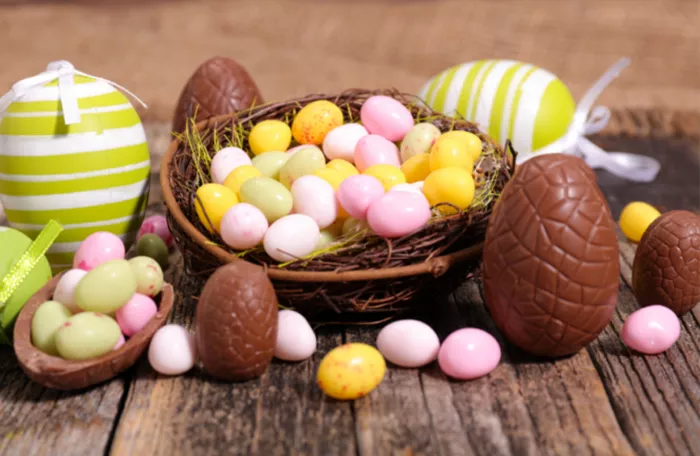
Chocolate and Easter have a long-standing relationship that is well-loved by many. As the holiday season approaches, stores fill up with chocolate eggs, bunnies, and other delectable treats. But why is chocolate so closely associated with Easter? This article will explore the history, symbolism, and traditions behind chocolate at Easter, giving readers a deeper understanding of this sweet connection.
Historical Roots of Easter Traditions
Easter, the celebration of the resurrection of Jesus Christ, has roots in religious and cultural customs. The timing of Easter coincides with the arrival of spring in many parts of the world, marking a period of renewal, hope, and rebirth. The traditions surrounding Easter have evolved over centuries, blending Christian, Pagan, and folk customs.
The history of Easter is intertwined with the themes of resurrection and new life. For centuries, people have celebrated the season by marking the end of winter and welcoming the new growth that comes with spring. In many cultures, food played an essential role in these celebrations. Eggs, symbolizing new life, were often featured as part of the Easter feast. But how did chocolate become a part of this rich tradition?
The Origin of Chocolate Eggs
Chocolate eggs became popular during the 19th century. The idea of filling Easter eggs with sweet treats was an innovation that grew out of the ancient tradition of decorating eggs. In the early 1800s, chocolate was a rare luxury item, enjoyed by royalty and the upper class. However, as chocolate became more widely available and affordable, it began to find its way into the Easter tradition.
In 1817, the first chocolate egg was made in France. This invention quickly spread to other parts of Europe, and soon, chocolate eggs became a staple in Easter celebrations. The egg, representing new life, was the perfect canvas for chocolate makers to craft beautifully decorated treats. The popularity of chocolate eggs continued to grow, and by the late 19th century, they had become a must-have item for Easter celebrations.
Chocolate Bunnies: The Iconic Easter Symbol
Along with chocolate eggs, chocolate bunnies have also become a beloved symbol of Easter. The chocolate bunny’s origin can be traced back to the 19th century in Germany. The hare, a symbol of fertility and rebirth, was associated with the spring season in many cultures. In Germany, it was believed that a magical hare would lay eggs for children to find on Easter Sunday.
The idea of a chocolate bunny emerged when confectioners began shaping chocolate in the form of rabbits, creating an edible version of this mythical creature. The first chocolate bunnies were crafted in the 1850s, and they quickly became a favorite Easter treat. Today, chocolate bunnies are found in every shape and size, from small figures to large, solid chocolate rabbits.
The Rise of Mass-Produced Easter Chocolate
As the demand for Easter chocolate grew, the production of chocolate eggs and bunnies became more industrialized. In the early 20th century, companies like Cadbury and Lindt began mass-producing Easter chocolate, making it more accessible to the general public. The introduction of molds for chocolate-making allowed for the mass production of intricately shaped chocolate eggs and bunnies.
The affordability and availability of chocolate products during Easter led to the creation of numerous new traditions. In addition to Easter eggs and bunnies, chocolate-filled baskets, chocolate bars, and even chocolate fountains became part of the holiday celebration. Today, Easter and chocolate go hand in hand, and the holiday season would not feel complete without these sweet treats.
Symbolism of Chocolate at Easter
Chocolate has come to symbolize a variety of meanings during Easter. First and foremost, chocolate is associated with the joy and indulgence of the holiday. Easter is a time for families to come together, and sharing chocolate treats is one way to celebrate this communal spirit.
The egg, as a symbol of new life, represents the resurrection of Jesus Christ in Christian traditions. The chocolate egg, therefore, holds deeper meaning as a symbol of renewal and hope. By combining the symbolism of the egg with the indulgence of chocolate, the treat has become a powerful symbol of Easter.
Chocolate also represents the sweetness of the Easter message—the joy of resurrection and the promise of new beginnings. The act of gifting chocolate eggs or bunnies is a gesture of goodwill, a way to celebrate the season of rebirth, and a reminder of the sweetness of life.
Chocolate Easter Traditions Around the World
While the tradition of Easter chocolate is widely celebrated in many countries, different cultures have their own unique ways of incorporating chocolate into the holiday. In the United States and the United Kingdom, chocolate eggs and bunnies are common, but in Italy, Easter chocolates take the form of large, beautifully decorated eggs that are often filled with surprises. In Germany, children are often given chocolate bunnies, and in France, chocolate eggs are carefully crafted into artistic shapes.
In some countries, the tradition of Easter chocolate goes beyond just eating it. In Switzerland, for example, the Easter Bunny is said to hide chocolate eggs in gardens for children to find. In Greece, chocolate Easter eggs are often cracked open to reveal smaller chocolate treats inside, symbolizing the breaking of the tomb and the resurrection of Christ.
These diverse traditions show how chocolate has become a universal symbol of celebration, joy, and renewal across cultures. Whether it is an Easter egg hunt or the sharing of chocolate treats, chocolate continues to play a significant role in the way people celebrate Easter worldwide.
Conclusion
The connection between chocolate and Easter is deep-rooted in both tradition and symbolism. From the origins of chocolate eggs in the 19th century to the iconic chocolate bunny, these sweet treats have become synonymous with the holiday. Chocolate represents new life, joy, and the sweetness of resurrection, making it a perfect addition to the Easter celebration. As Easter traditions continue to evolve, one thing remains clear: chocolate will always be an essential part of the holiday’s festivities.
Related topics: