
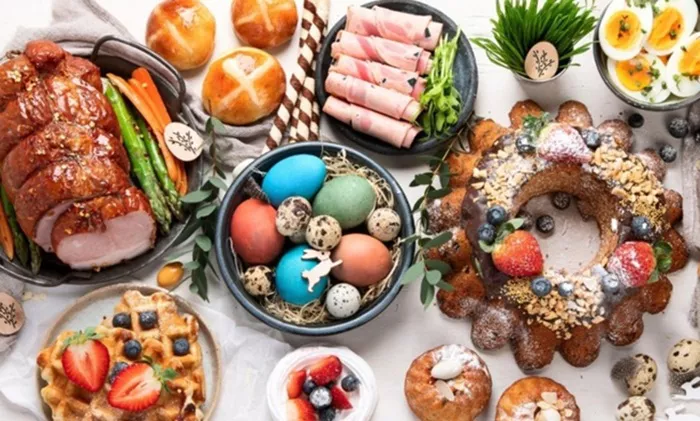
Easter is one of the most important and widely celebrated religious festivals across the globe. It marks the resurrection of Jesus Christ, a central event in Christian belief. While the roots of Easter lie in religious traditions, its celebrations have evolved and absorbed various local customs, making it a rich and diverse holiday. Easter is observed in different ways around the world, with each country and culture putting its own unique spin on the festivities.
In this article, we will explore how Easter is celebrated around the world, from solemn religious services to festive parades, egg hunts, and family gatherings. We will look at the significance of the holiday, the different ways it is marked in various countries, and the customs that make Easter a truly global celebration.
The Significance of Easter
Easter is a deeply spiritual holiday for Christians. It celebrates the resurrection of Jesus Christ on the third day after His crucifixion, as described in the New Testament. This event symbolizes hope, renewal, and the triumph of life over death. Easter is preceded by Lent, a period of fasting, prayer, and penance that lasts for 40 days, followed by Good Friday, which commemorates Jesus’ suffering and death. Easter Sunday marks the end of this solemn period, ushering in a time of joy and celebration.
Beyond its religious significance, Easter also symbolizes the arrival of spring in many parts of the world. It is associated with themes of renewal, rebirth, and new beginnings, which is why many of the customs surrounding the holiday focus on symbols of life and fertility, such as eggs and flowers.
Easter in Europe: A Blend of Tradition and Festivity
United Kingdom
In the United Kingdom, Easter is celebrated with a combination of church services, family gatherings, and a host of traditional activities. Good Friday is a public holiday, and many people attend church services to mark the occasion. On Easter Sunday, families often gather for a festive meal, which may include roast lamb, potatoes, and other spring dishes.
One of the most well-known Easter traditions in the UK is the Easter egg hunt. Children search for chocolate eggs hidden by the “Easter Bunny,” a character that has become a beloved part of British Easter celebrations. The tradition of egg rolling, where boiled eggs are rolled down a hill in a race to see which one travels the farthest, is also a popular pastime.
Germany
In Germany, Easter is a time of great importance, with many cities holding religious services and processions. Easter Sunday is celebrated with a festive meal, which often includes lamb, and is followed by the giving and receiving of chocolate eggs and bunnies. Many families decorate their homes with colorful eggs, and Easter trees adorned with painted eggs are common in German households.
In some regions of Germany, there is a unique tradition known as “Osterfeuer,” or Easter fires. These large bonfires are lit on Easter Sunday evening to symbolize the end of winter and the arrival of spring. People gather around the fire to celebrate, sing, and enjoy food and drink.
Italy
In Italy, Easter is one of the most important holidays on the calendar. It is a time for religious observance, family reunions, and festive meals. Good Friday services are held in churches across the country, and Easter Sunday sees the celebration of Mass, followed by a family feast. One of the highlights of the Italian Easter table is “Colomba Pasquale,” a traditional Easter cake shaped like a dove and made of sweet dough and almonds.
In certain regions, such as in Sicily, there are elaborate processions that reenact the Passion of Christ. These processions are often accompanied by music and the carrying of religious statues through the streets.
Easter in the Americas: A Time for Family and Reflection
United States
In the United States, Easter is a widely celebrated holiday, marked by church services, egg hunts, and family gatherings. The White House Easter Egg Roll, which takes place on the lawns of the White House, is a notable tradition. Children race decorated eggs across the lawn with spoons, while others enjoy crafts, games, and entertainment. Many families also celebrate by hosting Easter brunches or dinners featuring dishes like ham, eggs, and seasonal vegetables.
The Easter Bunny plays a prominent role in American celebrations, with children eagerly awaiting the arrival of the bunny who brings candy and eggs. In addition to egg hunts, many Americans also decorate their homes with spring-themed items, such as flowers, bunnies, and eggs.
Mexico
In Mexico, Easter is celebrated with both religious observance and festive traditions. Semana Santa, or Holy Week, is an important time for many Mexicans, with processions, reenactments of Christ’s Passion, and special Mass services. On Good Friday, large crowds gather in towns and cities to witness the dramatic reenactment of Christ’s crucifixion, which often involves participants carrying large wooden crosses.
Easter Sunday is a joyful occasion, marked by family gatherings and feasts. Traditional foods such as “tacos” and “mole” are served, and sweets like “capirotada” (a bread pudding) are enjoyed. In some regions, people also participate in “egg wars,” where they try to crack each other’s eggs by tapping them together.
Brazil
In Brazil, Easter is a major religious celebration. The country is known for its grand processions and events that take place during Holy Week. One of the most famous of these is the “Cavalhada,” a traditional horse-riding procession that reenacts the battle between Christians and Moors. The celebration continues through Easter Sunday, with church services, family meals, and an array of local traditions.
One popular Easter dish in Brazil is “bacalhau,” a salted cod fish that is often served with vegetables and other accompaniments. Chocolates and sweets also play a major role in Brazilian Easter celebrations, with many people exchanging chocolate eggs as gifts.
Easter in the Middle East: A Blend of Faith and Culture
Egypt
In Egypt, Easter is celebrated by Egyptian Orthodox Christians in accordance with the Coptic Orthodox Church calendar. The celebrations begin with a period of fasting, which culminates in the joyful observance of Pascha, or Easter Sunday. Many Egyptians attend church services, which include hymns, prayers, and the reading of the Bible. The end of the fast is marked by the consumption of traditional foods, such as “fatta” (a dish made with bread, rice, and meat) and “fool” (a dish made with fava beans).
In addition to religious observance, Egyptian Easter celebrations are marked by outdoor picnics, where families gather to enjoy food, socialize, and enjoy the spring weather.
Israel
Easter in Israel is deeply connected to the Christian faith, as it is the site of many key events in the life of Jesus Christ. In Jerusalem, pilgrims from around the world gather to visit sites such as the Church of the Holy Sepulchre, where it is believed Jesus was crucified and buried. The city is the focal point for many religious processions and services, including the Stations of the Cross, which reenacts Christ’s final walk to His crucifixion.
The celebrations in Israel are often more subdued than in other countries, with a strong focus on religious reflection and prayer. Many Christian communities also gather for festive meals and share food such as lamb, bread, and vegetables.
Easter in Asia: Growing Celebrations with a Unique Twist
Philippines
In the Philippines, Easter is celebrated with great enthusiasm. Holy Week, known as “Semana Santa,” includes processions, dramatic reenactments, and visits to local churches. On Easter Sunday, the religious observances give way to joyful celebrations, including “Salubong,” a ritual that symbolizes the meeting of the risen Christ with His mother, Mary. The event is marked by songs, prayers, and festive gatherings.
Filipinos celebrate Easter with large family feasts that feature dishes such as lechon (roast pig), “kare-kare” (a stew with oxtail), and “bibingka” (rice cakes). Many people also exchange Easter eggs and participate in community parades.
South Korea
In South Korea, Easter is celebrated primarily by the Christian population, though it is not as widely observed by the general population as it is in other parts of the world. Church services are held, and many South Koreans participate in family gatherings and enjoy special meals. The Korean tradition of eating “banchan” (small side dishes) during family meals is common during Easter.
Though the celebrations are generally more subdued, some Christian communities in South Korea hold Easter egg hunts and give chocolates to children as part of the holiday festivities.
Conclusion
Easter is celebrated in countless ways around the world, from solemn religious observances to joyful family gatherings and fun traditions like egg hunts and parades. While the core meaning of Easter—the resurrection of Jesus Christ—remains central to the holiday, the diverse customs and practices that have developed over time make it a truly global celebration. Whether through processions in Jerusalem, egg hunts in the United States, or family meals in Mexico, Easter brings people together to celebrate hope, renewal, and new beginnings.
Related topics: